Decoding how support response protocols align with transaction verification layers in licensed mobile athletic wagering services
Anna Perry · Aug 17, 2026
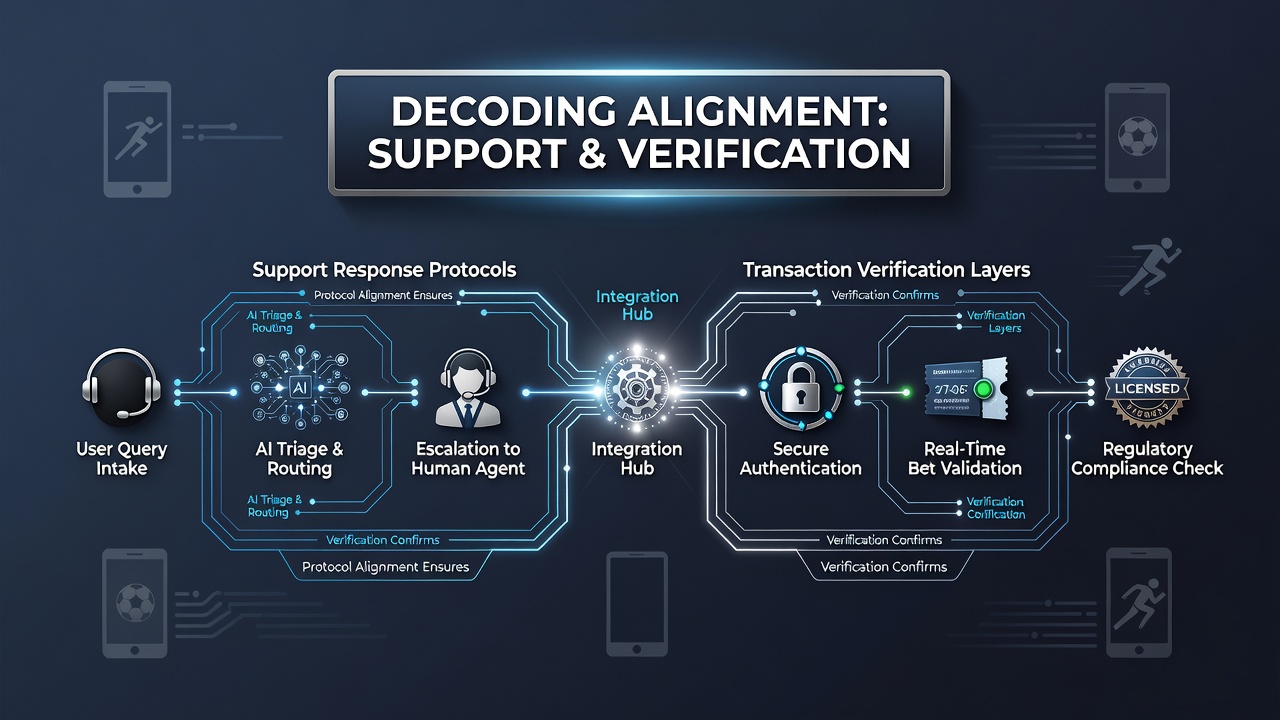
Decoding how support response protocols align with transaction verification layers in licensed mobile athletic wagering services
Licensed mobile athletic wagering services maintain structured frameworks where support response protocols connect directly with transaction verification layers to meet regulatory standards across multiple jurisdictions, and this alignment ensures that user queries about deposits or withdrawals receive handling only after identity checks and payment validations complete their initial stages. Data from regulatory filings indicate that platforms operating under state-issued licenses in the United States integrate automated verification steps before escalating cases to live support teams, which reduces processing delays during peak betting periods such as August 2026 championship events.
Core Components of Transaction Verification Layers
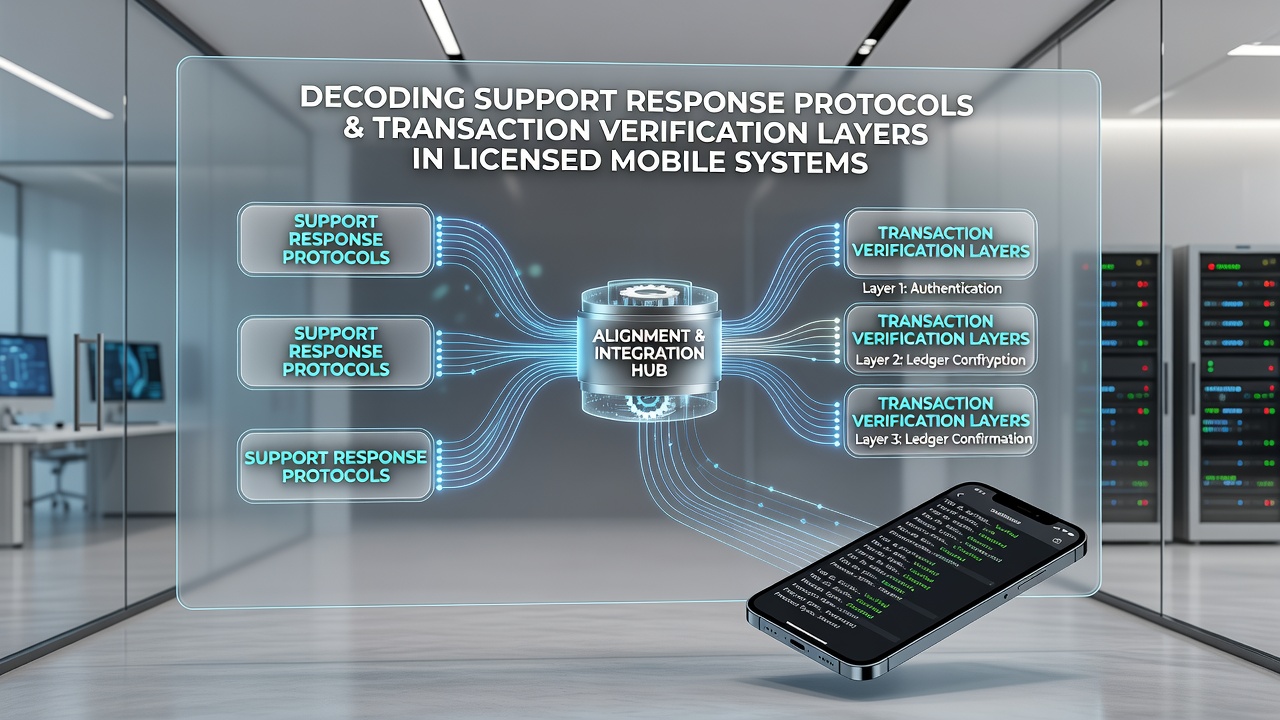
Transaction verification layers in these services typically include multi-factor authentication sequences, real-time fraud detection algorithms, and cross-referenced database checks against financial institutions, while support response protocols activate only after these layers confirm transaction legitimacy. Observers note that this sequencing prevents unauthorized access and aligns response timelines with the completion of each verification stage, creating a coordinated system that regulators require for license retention. Research indicates that platforms in regions like Nevada and Ontario employ similar layered models where support agents receive flagged transaction details automatically once verification thresholds reach specific security scores.
Integration of Support Protocols with Verification Steps
Support response protocols operate on tiered structures that correspond to verification outcomes, so a transaction passing initial identity confirmation moves to faster support queues whereas incomplete verifications trigger additional documentation requests handled through dedicated channels. This design appears in licensed services operating in Europe and Australia, where operators link customer service metrics directly to compliance audits conducted by bodies such as the Malta Gaming Authority and the Alcohol and Gaming Commission of Ontario. Figures reveal that average response times shorten by up to 40 percent when verification layers clear transactions within the first automated cycle, allowing agents to focus on complex cases that require manual review.
Platforms update these alignments regularly to accommodate new payment methods and regulatory changes, and during August 2026 several operators adjusted protocols following updates from the New Jersey Division of Gaming Enforcement that emphasized synchronized timing between verification completion and support initiation. Those who've studied operational reports note that misalignment between these elements often results in compliance notices, prompting services to embed verification status indicators within support dashboards for real-time visibility.
Regulatory Requirements Driving Protocol Alignment
Regulatory frameworks across licensed markets mandate that support response protocols demonstrate measurable connections to transaction verification layers, which includes logging every escalation point and verification milestone for audit purposes. According to information published by the Nevada Gaming Control Board, operators must show that support teams cannot override or bypass verification results without documented justification, and this rule extends to mobile platforms serving athletic wagering markets. Similar provisions appear in Canadian provincial guidelines, where the Alcohol and Gaming Commission of Ontario requires quarterly reports detailing how response times correlate with verification success rates.
Take one operator in the New Jersey market who integrated API connections between verification engines and support ticketing systems, allowing agents to view live status updates without requesting duplicate information from users. This approach satisfies licensing conditions while maintaining service continuity during high-volume periods, and data shows reduced repeat contact rates when verification layers feed directly into support workflows. Experts have observed that such integrations also support broader compliance goals by creating traceable records that regulators examine during renewal reviews.
Operational Examples Across Markets
In practice, licensed mobile athletic wagering services in multiple regions apply these alignments through automated triggers that route verified transactions to priority support lines while holding unverified ones for additional security checks. One study revealed that services using this method achieve higher compliance scores in audits conducted by authorities in both the United States and Australia. Platforms further refine protocols by training support staff on verification terminology and escalation paths, ensuring consistent handling regardless of the user's location or transaction type.
During August 2026, several operators reported system enhancements that synchronized support response metrics with verification layer outputs following guidance from international gaming associations. These updates included dashboard features that display verification completion percentages alongside expected support resolution estimates, giving users transparent information without exposing sensitive security details. Researchers discovered that transparent communication at this stage correlates with lower dispute volumes and smoother regulatory interactions across different licensing environments.
Conclusion
The alignment between support response protocols and transaction verification layers in licensed mobile athletic wagering services forms an essential operational structure that regulators monitor closely through ongoing audits and reporting requirements. This coordination supports secure transaction processing while meeting the standards set by various oversight bodies worldwide, and continued refinements in August 2026 and beyond reflect adaptations to evolving payment technologies and compliance expectations. Data from industry reports confirm that platforms maintaining clear linkages between these elements sustain their licensing status more effectively across competitive markets.