Fixture Congestion Periods and Their Effects on Digital Payment Rail Optimizations in Globally Regulated Wagering Ecosystems
Viktor Coleman · Jun 26, 2026
Fixture Congestion Periods and Their Effects on Digital Payment Rail Optimizations in Globally Regulated Wagering Ecosystems
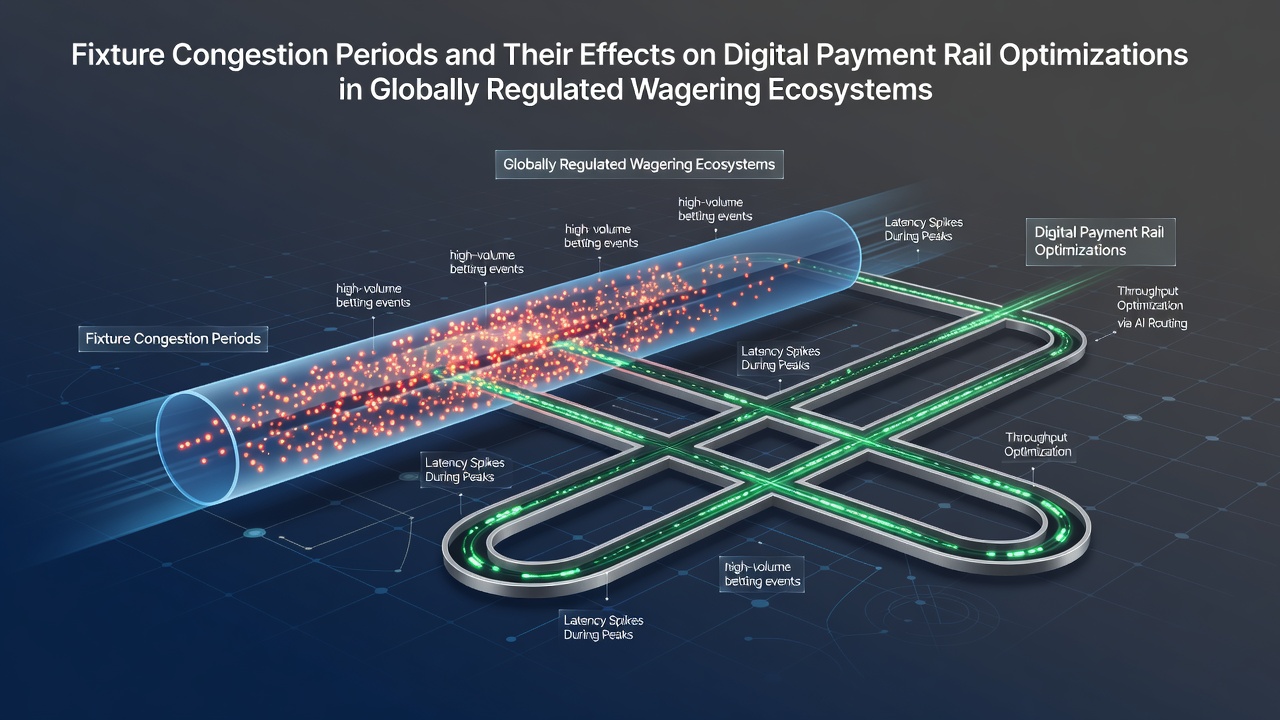
Fixture congestion periods emerge when sports calendars pack multiple matches into short windows, creating spikes in global wagering activity that test the capacity of digital payment rails. These intervals occur regularly across soccer, basketball, and tennis circuits, where overlapping domestic leagues, cup competitions, and international tournaments generate simultaneous betting surges. Data from industry reports shows transaction volumes can increase between 40 and 70 percent during such windows, forcing payment processors to adjust routing logic and compliance checks in real time.
Defining Fixture Congestion in Global Sports Calendars
Multiple governing bodies schedule events that collide during December, March, and summer international breaks. European soccer leagues alone list up to nine fixtures per team across four competitions within a single month, while the 2026 FIFA World Cup group stage begins in June with three matches per day across multiple venues. Observers note that these overlapping schedules compress rest periods for athletes and simultaneously concentrate betting interest across time zones, producing sustained high-volume transaction flows through licensed platforms.
Volume Spikes and Their Pressure on Payment Infrastructure
Regulated operators experience concentrated deposit and withdrawal requests when popular fixtures overlap. Payment rails must authenticate users, apply jurisdiction-specific responsible gambling limits, and settle funds within regulatory timeframes. Research conducted by the European Gaming and Betting Association indicates that peak-hour transaction queues lengthen by an average of 18 seconds during congestion windows, prompting operators to implement dynamic load balancing across multiple acquiring banks and alternative payment methods.
Regulatory Frameworks Shaping Rail Optimizations
Different licensing regimes impose distinct requirements on payment speed and transparency. The Malta Gaming Authority requires real-time reporting of high-value transactions, whereas Australian state regulators mandate separate audit trails for each wagering vertical. Operators therefore configure payment orchestration layers that route transactions according to both volume thresholds and jurisdictional rules, reducing failed authorizations during sudden traffic increases. Studies from the University of Nevada, Las Vegas Center for Gaming Research demonstrate that platforms using multi-rail switching maintain authorization success rates above 96 percent even when daily handle doubles.
Technical Adjustments During High-Demand Windows
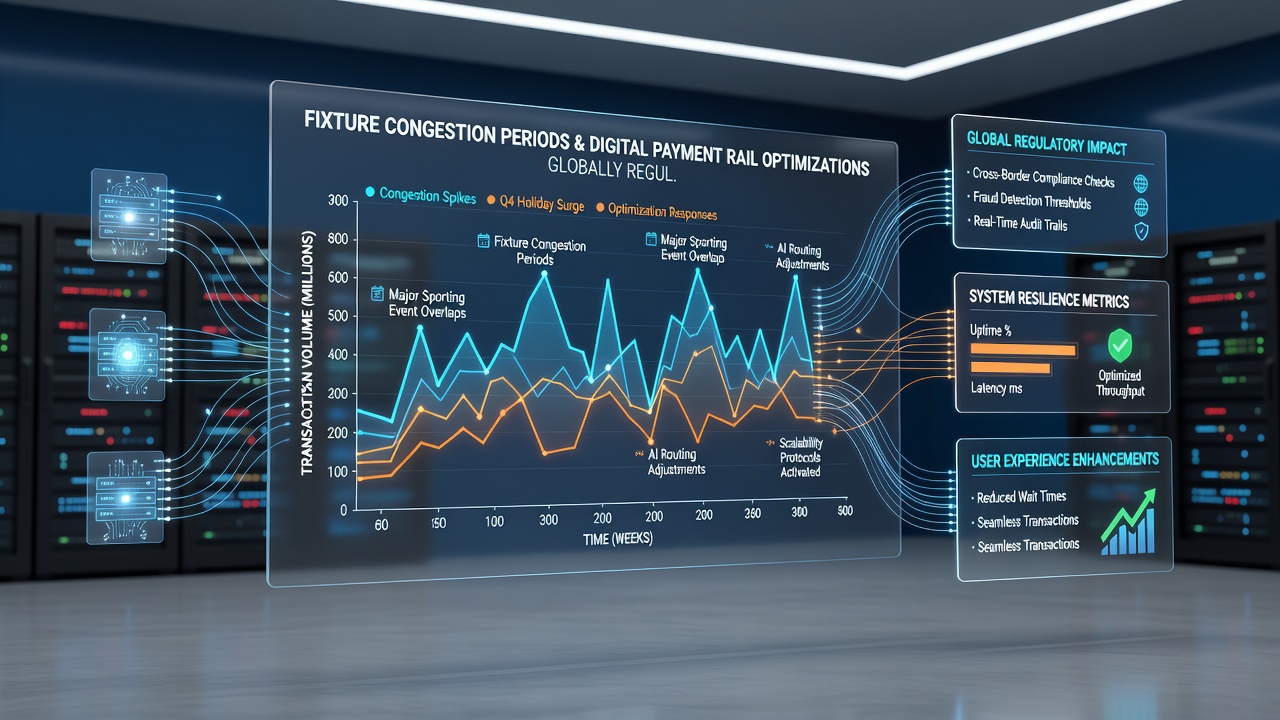
Payment service providers deploy predictive scaling algorithms that monitor fixture schedules published months in advance. These systems pre-allocate server capacity and adjust fraud-scoring thresholds to accommodate legitimate volume surges without increasing chargeback exposure. One documented implementation by a Canadian operator integrated with provincial regulators showed that preemptive rail activation during the 2025 CONCACAF Nations League window reduced average payout latency from 47 seconds to 19 seconds across mobile channels.
Regional Variations in Optimization Strategies
North American markets emphasize integration with state-controlled lottery systems that share payment infrastructure, allowing operators to leverage existing verification databases during peak periods. In contrast, Asian regulated markets prioritize cross-border settlement rails compliant with varying foreign exchange controls. Data released by the Japan Casino Regulatory Commission in early 2026 recorded a 52 percent rise in approved digital wallet transactions during the J-League and international rugby overlap, achieved through pre-cleared batch processing that still satisfied individual transaction monitoring rules.
Case Examples from Recent Congestion Periods
During the December 2025 English Premier League and UEFA Champions League overlap, several licensed platforms activated secondary acquiring partners in advance. Transaction logs published in aggregated industry summaries reveal that deposit success rates remained above 98 percent while withdrawal processing times stayed within mandated windows. Similar patterns appear in the lead-up to the June 2026 World Cup group stage, where preliminary scheduling data already guides operators to expand API connections with regional payment gateways in host countries.
Future Scheduling Pressures and Rail Resilience
Expanded calendars, including new club competitions and continental tournaments, continue to compress available dates. Payment infrastructure providers respond by developing standardized APIs that allow instant rail failover across borders while preserving compliance data fields required by each regulator. Those who have studied transaction datasets across multiple congestion cycles note that platforms maintaining at least three independent payment pathways experience the smallest degradation in service metrics when fixture density rises.
Conclusion
Fixture congestion periods impose measurable demands on digital payment rails within globally regulated wagering ecosystems. Operators that align scheduling intelligence with regulatory requirements and technical scaling capabilities sustain authorization and settlement performance even as volumes fluctuate. Ongoing calendar expansion through 2026 and beyond will continue to test these optimizations, with data from multiple jurisdictions indicating that proactive rail diversification remains the primary mechanism for maintaining service continuity under concentrated load.