How Licensing Frameworks Shape Cryptocurrency Integration Timelines Across Global Mobile Wagering Networks
Theo Koch · Jun 12, 2026

How Licensing Frameworks Shape Cryptocurrency Integration Timelines Across Global Mobile Wagering Networks
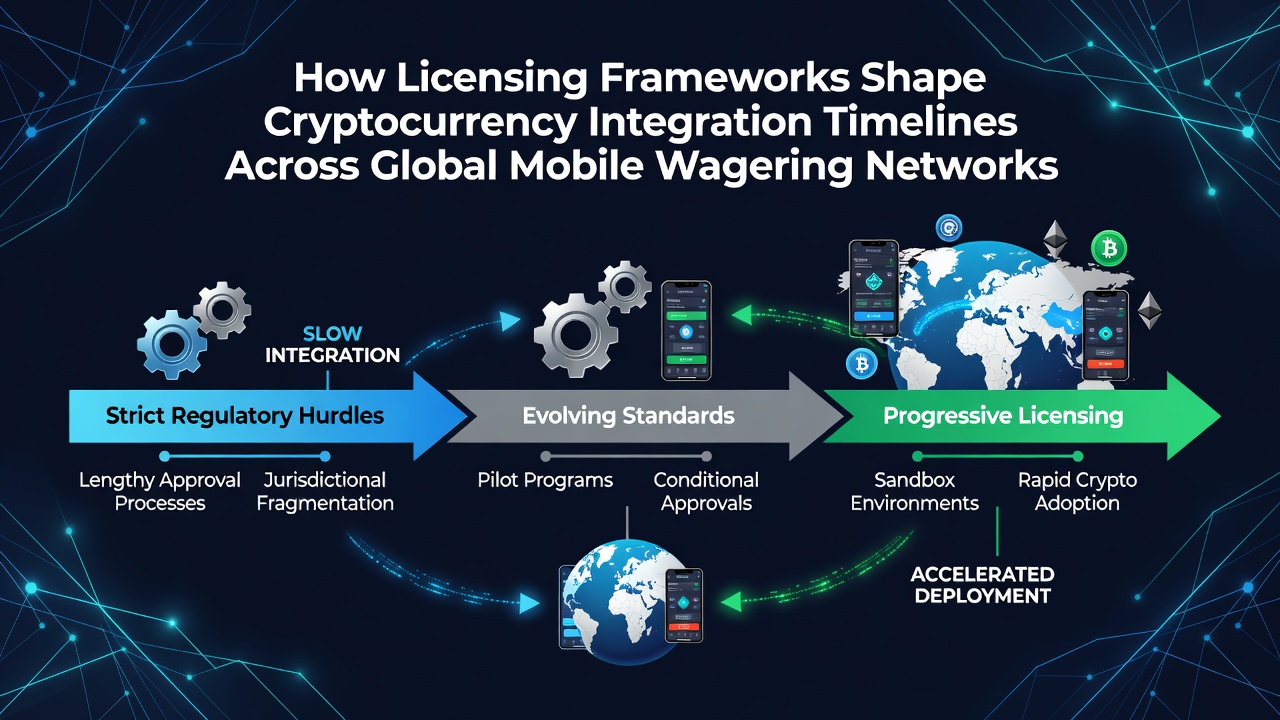
Licensing frameworks establish the pace at which cryptocurrency features enter mobile wagering platforms, and operators must align digital asset protocols with jurisdiction-specific compliance mandates before rolling out wallet integrations or blockchain-based settlements. Data from regulatory filings shows that approval cycles range from six months in streamlined markets to three years in stricter environments where anti-money laundering reviews intersect with technology audits.
Regional differences create staggered adoption patterns across continents, and operators in Europe often secure crypto permissions faster than those targeting North American or Asian markets because certain authorities embed digital currency clauses directly into standard gaming licenses. Observers note that these built-in provisions allow platforms to introduce stablecoin deposits and withdrawals once basic operator certification clears, whereas separate cryptocurrency endorsements elsewhere add layers of technical validation and ongoing reporting obligations.
Regional Licensing Structures and Their Effects on Adoption Speed
North American frameworks frequently require operators to demonstrate segregated custody solutions and real-time transaction monitoring before cryptocurrency modules receive green lights, and this requirement extends integration timelines by twelve to eighteen months in states that have recently authorized mobile sportsbooks. European jurisdictions, by contrast, incorporate crypto readiness into broader licensing renewals, which permits quicker deployment when platforms already hold multi-jurisdictional certificates.
Asia-Pacific regulators impose additional capital reserve rules tied to cryptocurrency volatility, and these conditions slow pilot programs until operators prove liquidity buffers exceed standard fiat thresholds. Research from the Australian Gambling Research Centre indicates that such volatility safeguards have delayed full crypto rollout by an average of fourteen months across licensed platforms in that region since 2024.
Compliance Layers That Extend Development Cycles
Know-your-customer protocols adapted for blockchain addresses demand specialized software that many legacy systems lack, and operators must therefore contract third-party vendors for address screening before licenses permit live cryptocurrency transactions. This step alone accounts for significant portions of project delays, especially when regulators request source-code audits of the screening tools themselves.
Tax reporting interfaces between cryptocurrency ledgers and government revenue systems add further checkpoints, and platforms operating across multiple borders often maintain parallel ledgers to satisfy each authority's distinct data format requirements. June 2026 filings from several European operators reveal that synchronization of these ledgers with local tax portals consumed an extra nine months of development time even after core wallet functionality passed initial tests.
Case Examples from Key Markets
One operator group that secured a Maltese license in early 2025 completed cryptocurrency integration within eight months because the authority accepted existing blockchain analytics partnerships as sufficient evidence of compliance, while the same company required twenty-two months to activate similar features under a newly enacted Canadian provincial framework that mandated additional on-chain forensic reporting. Another platform licensed in Singapore achieved stablecoin payout approval in June 2026 after demonstrating that its cold-storage architecture met the city-state's updated cybersecurity benchmarks, a process that began eighteen months earlier with preliminary license amendments.
These timelines illustrate how pre-existing relationships with licensed custodians accelerate approvals, whereas operators entering new markets without such alignments face extended review periods. Figures released by the Alcohol and Gaming Commission of Ontario show that applicants who partnered with already-approved custodians reduced average crypto authorization time by 40 percent compared with those submitting standalone proposals.
Technical Standards Embedded in Licensing Conditions
Many frameworks now specify acceptable consensus mechanisms and prohibit proof-of-work coins in favor of lower-energy alternatives, and this rule forces platforms to redesign payout engines mid-development when regulators update lists of permitted assets. Such revisions have pushed back launch dates for several mobile networks that initially planned broader coin support.
Interoperability testing with national payment rails further extends schedules because regulators require successful end-to-end transaction simulations before granting production access, and these simulations must cover peak load scenarios plus rollback procedures in case of network forks. Operators report that completing the full test matrix typically adds four to six months beyond initial software readiness.
Conclusion
Licensing frameworks therefore function as primary gatekeepers that determine when cryptocurrency capabilities reach end users on global mobile wagering networks, and the variation in approval durations across regions produces uneven market maturity. Data continues to show that operators who align early with jurisdiction-specific technical and custodial requirements achieve faster integration, while those navigating multiple overlapping mandates encounter prolonged development phases that affect competitive positioning in live betting environments.