Mechanics of Verification Processes Linking Customer Assistance to Secure Fund Movements in Regulated Mobile Athletic Services
Anna Perry · Jul 31, 2026
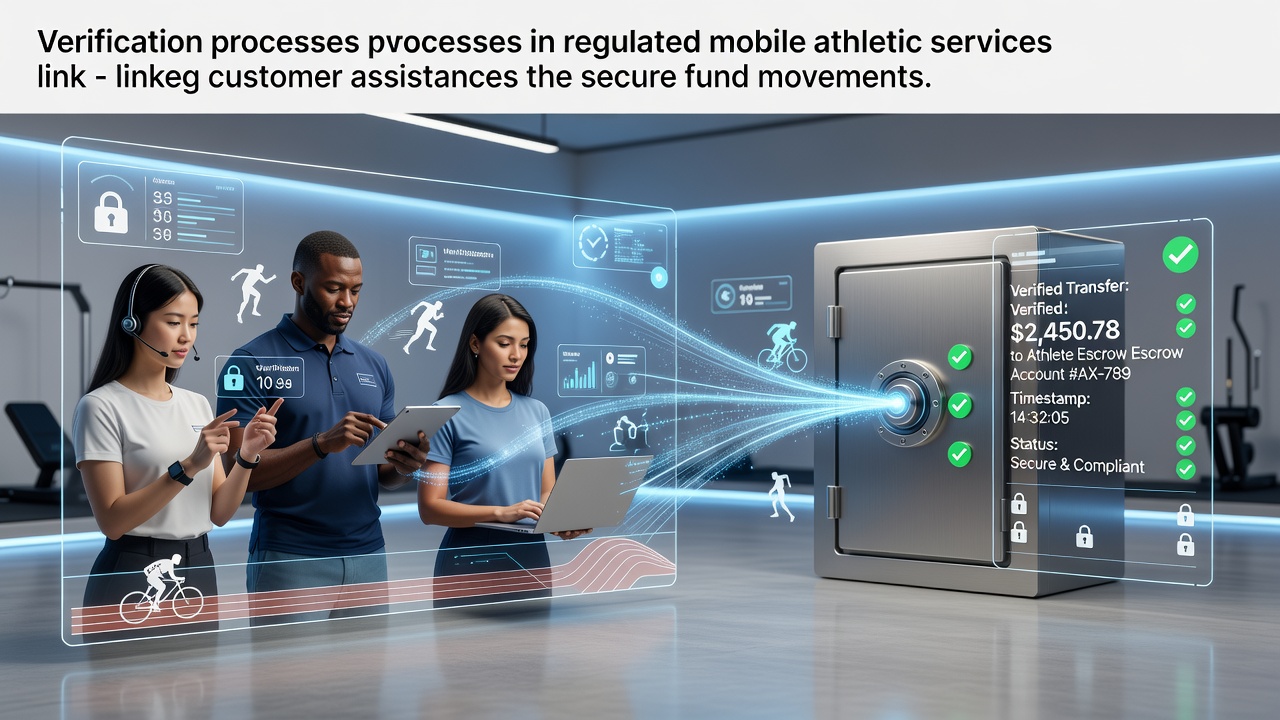
Mechanics of Verification Processes Linking Customer Assistance to Secure Fund Movements in Regulated Mobile Athletic Services
Regulated mobile athletic services rely on layered verification systems that connect customer assistance directly to fund movement protocols, creating checkpoints where identity confirmation, transaction authorization, and regulatory compliance intersect before any deposit or withdrawal processes. These systems operate through automated checks combined with human oversight, ensuring that each step maintains audit trails required by licensing authorities across multiple jurisdictions.
Core Components of Verification Layers
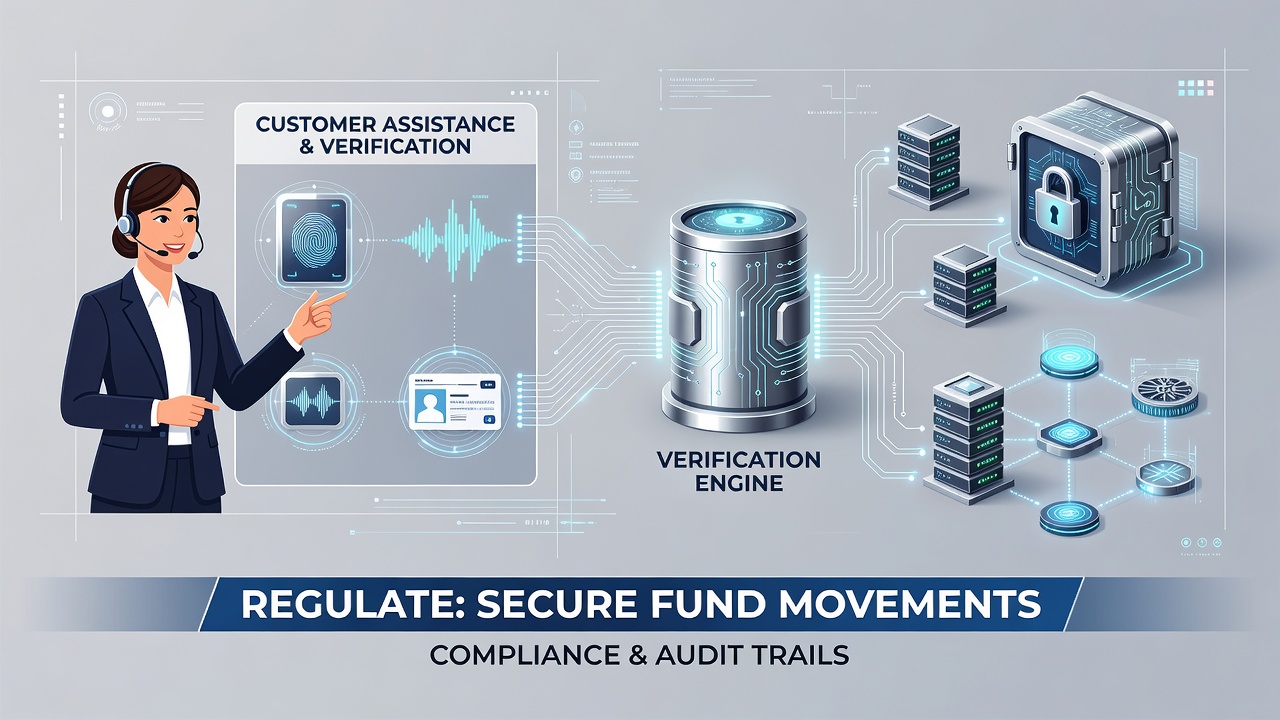
Verification begins at account creation when users submit government-issued identification, address proof, and sometimes biometric data such as facial scans or fingerprint records, while platforms cross-reference these details against third-party databases to flag discrepancies immediately. Once initial checks clear, ongoing monitoring triggers additional reviews during high-value transactions or when patterns deviate from established user behavior, and customer assistance teams receive alerts that prompt direct outreach to resolve issues before funds move.
Data from regulatory filings indicate that platforms handling mobile athletic wagering complete an average of three distinct verification stages for withdrawals exceeding certain thresholds, with each stage requiring separate approvals from automated systems and support personnel. This structure reduces unauthorized access risks while maintaining transaction speed for compliant users.
Customer Assistance Integration Points
Support teams serve as the bridge between automated flags and final fund approvals, reviewing escalated cases where document mismatches or velocity checks raise concerns, and they coordinate with compliance departments to verify source of funds documentation when required by anti-money laundering rules. In practice, assistance agents access secure portals that display real-time transaction histories alongside verification status, allowing them to guide users through corrections without exposing sensitive financial details.
Observers note that effective integration depends on training protocols that equip agents to handle both technical troubleshooting and regulatory inquiries, resulting in fewer abandoned transactions and smoother resolution timelines for users who encounter verification holds.
Secure Fund Movement Protocols
Once verification clears, fund movements follow encrypted pathways that separate deposit and withdrawal channels, with withdrawal requests routed through final compliance reviews that confirm no pending disputes or regulatory holds exist. Mobile platforms employ tokenization to protect account details during transfers, while real-time ledger updates ensure balances reflect only approved actions.
July 2026 regulatory updates in several North American and European markets introduced stricter reporting requirements for cross-border fund movements, prompting platforms to enhance their verification sequencing to include additional geographic compliance checks before processing international payouts. These adjustments align with broader efforts to standardize security measures across mobile athletic services.
Regulatory Oversight and Compliance Standards
Licensing bodies such as the Nevada Gaming Control Board and the Australian Communications and Media Authority mandate that verification processes include documented escalation paths linking support interactions to transaction approvals, creating accountability records that regulators audit periodically. Platforms must demonstrate that customer assistance interventions do not bypass core security controls while still providing timely resolution for legitimate users.
Research reports from the European Gaming and Betting Association highlight how integrated verification systems correlate with lower incidence rates of disputed transactions in regulated environments, attributing the outcome to coordinated workflows between support and compliance functions rather than isolated automated screening alone.
Operational Challenges and Platform Adaptations
High transaction volumes during major athletic events can strain verification queues, leading platforms to deploy predictive staffing models that align customer assistance availability with anticipated demand spikes, and these models draw on historical data to pre-approve low-risk users while routing complex cases to specialized teams. Adaptations include expanded use of artificial intelligence to triage initial flags, freeing human agents to focus on nuanced cases that require judgment calls.
Those who manage regulated platforms report that balancing speed with security remains an ongoing calibration process, particularly when new payment methods enter the ecosystem and require fresh verification mappings to existing compliance frameworks.
Conclusion
Verification processes in regulated mobile athletic services function through interconnected layers that tie customer assistance directly to secure fund movements, producing auditable pathways that satisfy licensing requirements while supporting user access. Continued evolution of these systems reflects responses to regulatory shifts and technological capabilities, maintaining focus on compliance integrity across global markets.