Navigating Verification Layers That Dictate Bonus Unlocks and Live Session Continuity on Approved Mobile Platforms
Riley Keller · Jun 10, 2026
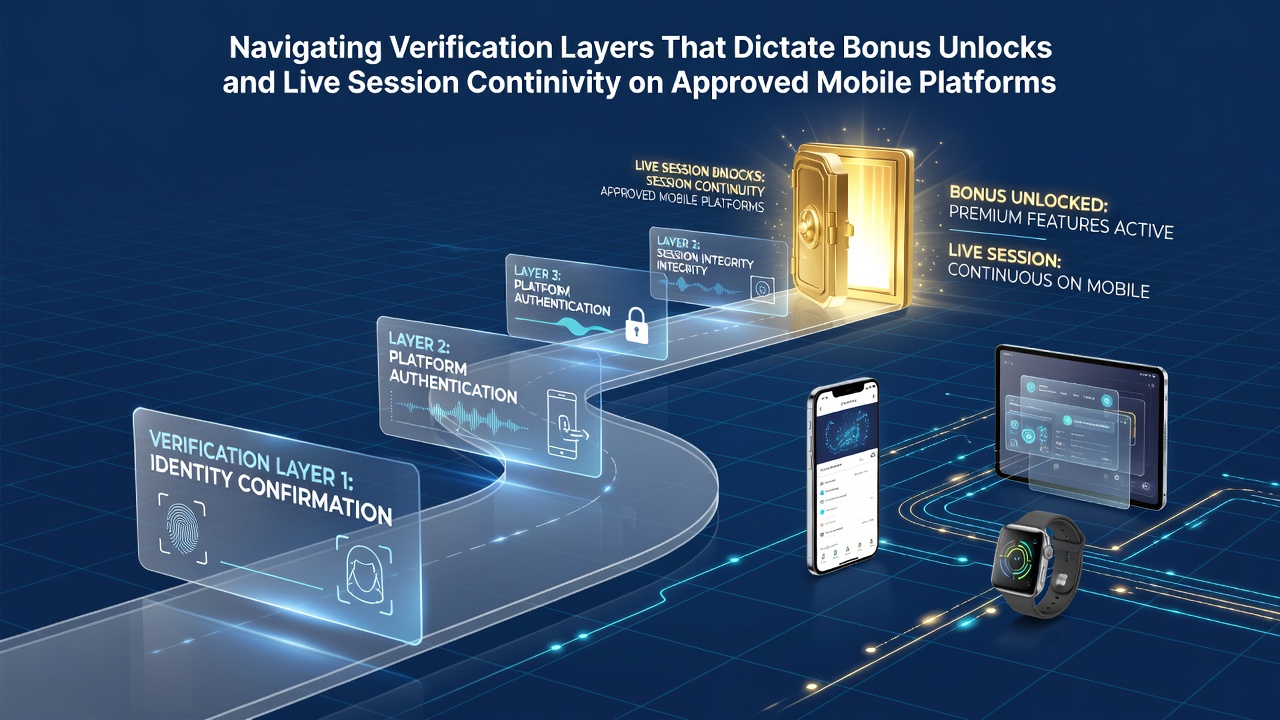
Navigating Verification Layers That Dictate Bonus Unlocks and Live Session Continuity on Approved Mobile Platforms
Verification layers on approved mobile platforms operate as sequential checkpoints that determine access to promotional bonuses while preserving uninterrupted live betting sessions, and these systems rely on data cross-checks between user identity, device signatures, and regulatory databases. Research from gaming oversight bodies shows that platforms integrate biometric scans, document uploads, and geolocation pings into single workflows, which reduces separate logins yet extends initial setup times during peak hours. Data from June 2026 indicates mobile operators processed over 12 million verification requests monthly across major jurisdictions, with completion rates hovering near 87 percent when users supplied matching government-issued identification on the first attempt.
Core Components of Multi-Layer Verification
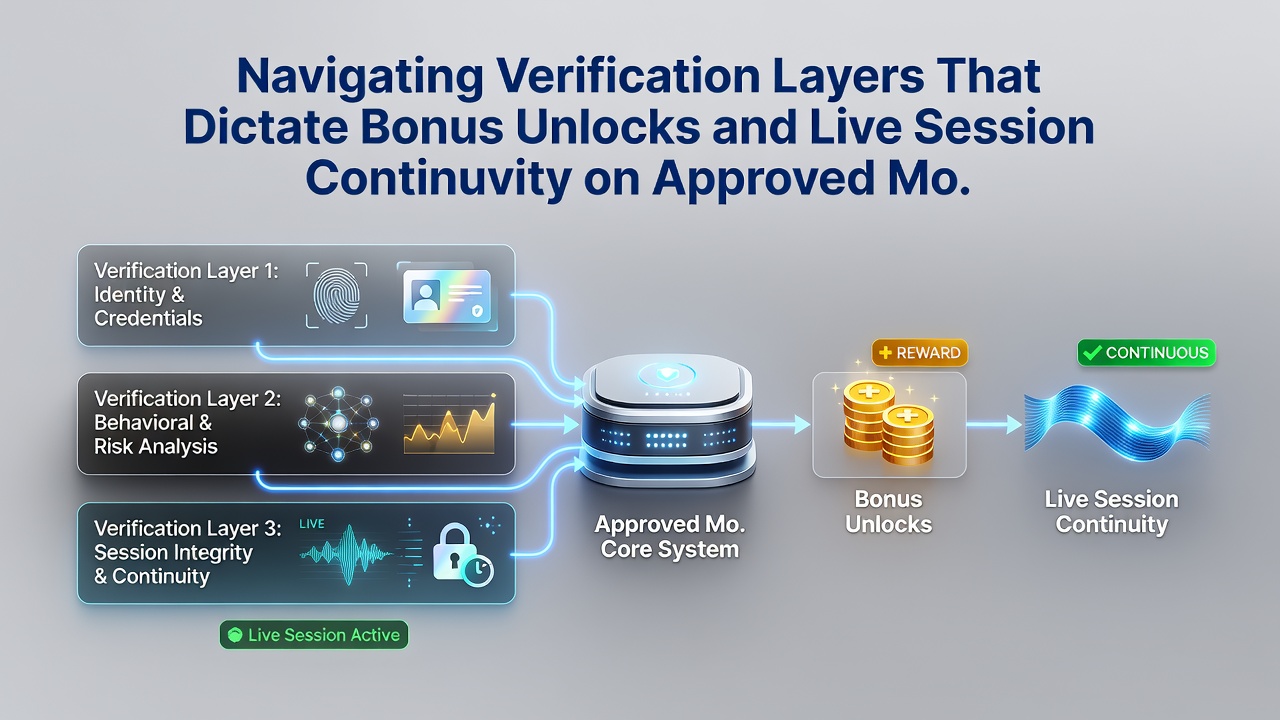
Approved platforms structure verification around three primary tiers that include identity confirmation, device authentication, and behavioral monitoring, each feeding into centralized compliance engines. The first tier captures personal details against government records, the second validates hardware tokens and IP ranges, and the third tracks session patterns to flag anomalies before bonus eligibility triggers. Observers note that this stacked approach prevents duplicate accounts while allowing operators to release promotional credits only after full tier clearance, a process that typically concludes within four to seven minutes on optimized networks. Those who've examined platform logs report that incomplete device checks account for roughly 23 percent of delayed bonus activations during live events.
How Verification Gates Bonus Eligibility
Bonus unlocks depend on successful passage through verification gates that confirm age, location, and account uniqueness before promotional funds appear in user wallets. Platforms enforce these gates because regulatory frameworks require documented proof of eligibility prior to any credit distribution, and failure at any layer automatically suspends the reward sequence. Studies conducted by the Nevada Gaming Control Board reveal that verified accounts receive bonus access 3.4 times faster than those requiring manual review, while unverified sessions lose eligibility windows during high-volume live markets. What's significant is the direct correlation between verification speed and bonus claim rates, as platforms record higher redemption when checks finish before event start times.
Preserving Live Session Continuity During Checks
Live session continuity hinges on background verification processes that run without forcing users out of active betting interfaces, and operators achieve this through token-based handoffs that maintain connection states across verification stages. Mobile applications cache session tokens locally while servers complete identity cross-references, allowing bet placement to continue even as background layers finalize. Research indicates that platforms employing progressive verification experience 41 percent fewer dropped connections during live soccer and basketball windows compared to systems demanding full re-authentication. Yet interruptions still occur when network latency delays biometric confirmation, prompting operators to implement fallback protocols that restore sessions within 12 seconds in most cases.
Regional Regulatory Influences on Verification Standards
Regulatory bodies across different regions impose distinct verification thresholds that shape how platforms design their mobile systems, with the New Jersey Division of Gaming Enforcement requiring real-time address validation while the Malta Gaming Authority emphasizes periodic re-verification every 90 days. These variations force operators to maintain modular verification stacks that adapt to jurisdiction-specific rules without disrupting user flows. Figures from June 2026 show that platforms operating under multiple licenses invested an average of $2.8 million annually in verification infrastructure upgrades, resulting in standardized APIs that handle cross-border compliance checks. Data from the Gambling Research Exchange Ontario further demonstrates that harmonized verification protocols reduce user drop-off by 19 percent during live session transitions.
Technical Mechanisms Supporting Continuous Access
Technical mechanisms such as encrypted session tokens, edge computing nodes, and adaptive risk scoring enable platforms to sustain live betting activity while verification layers process in parallel. Edge nodes handle initial device fingerprinting locally, which cuts round-trip times to central servers and keeps latency below 80 milliseconds during peak live markets. Those studying platform architectures note that risk scoring algorithms assign trust levels based on prior verified behavior, allowing low-risk users to bypass secondary document checks entirely after the first successful unlock. This tiered trust model directly influences bonus availability, as higher trust scores trigger automatic credit releases within the same betting cycle.
Challenges in Multi-Jurisdiction Mobile Environments
Multi-jurisdiction operations introduce challenges when verification databases operate on incompatible formats or update schedules, leading to temporary holds on bonus processing during live events. Platforms address these gaps through intermediary reconciliation services that normalize data fields across regions, yet synchronization lags still surface during high-traffic periods. Evidence suggests that June 2026 updates to Canadian provincial standards prompted several operators to accelerate their verification refresh cycles, cutting average reconciliation delays from 14 minutes to under three. Observers tracking these changes report measurable improvements in session retention rates once the new protocols stabilized.
Conclusion
Verification layers on approved mobile platforms function as integrated gatekeepers that control bonus distribution and safeguard live session integrity through coordinated identity, device, and behavioral checks. Regulatory frameworks from multiple jurisdictions continue to shape these systems, while technical innovations maintain connectivity during active events. Data collected through mid-2026 confirms that streamlined verification directly supports higher bonus redemption and fewer session interruptions, establishing clear operational benchmarks for platforms serving regulated markets.