Payment Method Verifications and Their Impact on Live Betting Continuity in Safety-Certified Mobile Applications
Riley Keller · Jul 1, 2026
Payment Method Verifications and Their Impact on Live Betting Continuity in Safety-Certified Mobile Applications
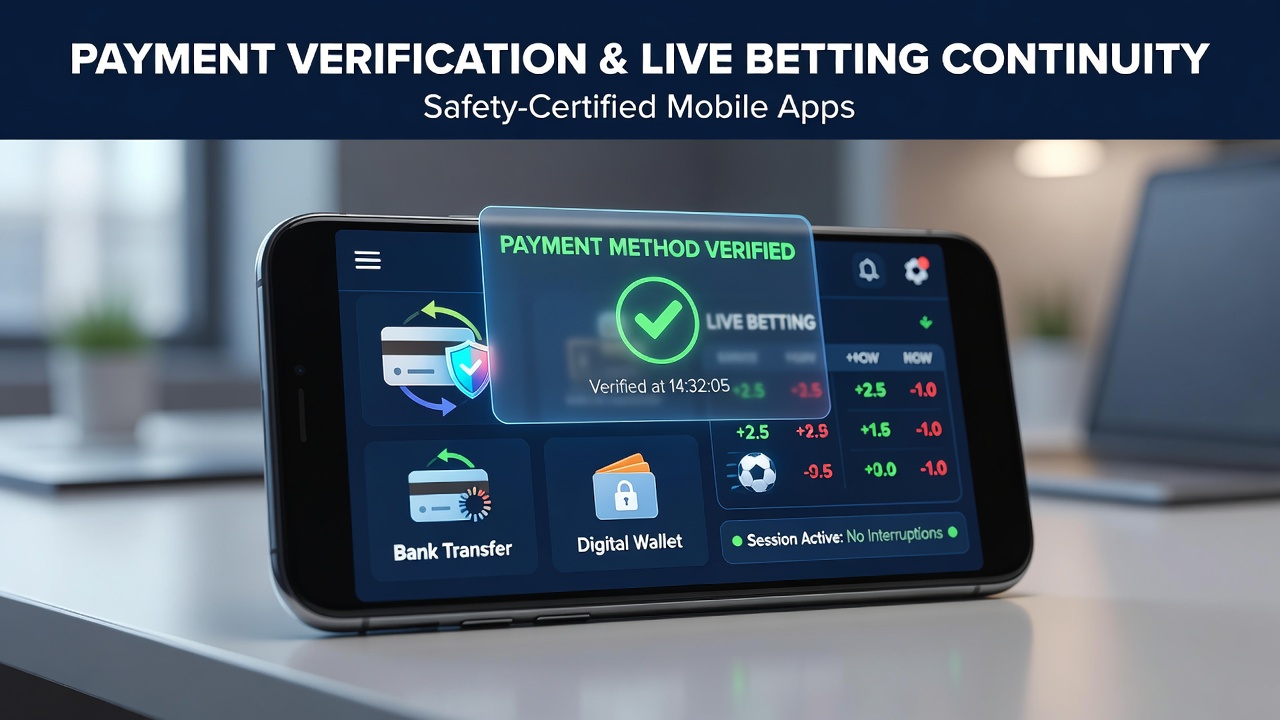
Payment method verifications serve as essential checkpoints in safety-certified mobile applications that handle live betting, where users must confirm account details and funding sources before transactions proceed. These checks often involve matching user-provided data against financial records, identity documents, and transaction histories, and they occur at various stages including initial deposits, ongoing wagers, and withdrawal requests. Observers note that such verifications help maintain compliance with regulatory standards while reducing risks associated with unauthorized activity, yet they can introduce pauses that affect the flow of live betting sessions. Data from regulatory bodies across multiple regions shows that verification protocols have become more integrated into mobile platforms since the expansion of real-time wagering options. In July 2026, updates from several certification programs highlighted how automated systems now cross-reference payment details in seconds rather than minutes, though manual reviews still apply in cases involving high-value transactions or flagged accounts. Those who monitor industry trends point out that these layers aim to balance security requirements with user access during time-sensitive events like live sports matches.Core Components of Payment Verification Systems
Safety-certified applications typically incorporate multi-factor authentication tied directly to payment methods, including bank transfers, digital wallets, and card-based options. Researchers have documented that verification layers often require users to submit proof of address, government-issued identification, and sometimes biometric confirmation before funds can support live bets. This process connects account creation with ongoing activity, which means any mismatch detected mid-session can halt wager placement until resolved.
Studies conducted by academic institutions in North America and Europe reveal that verification success rates improve when platforms use real-time data feeds from financial institutions, allowing seamless continuation of betting activity. Yet interruptions occur when systems detect discrepancies such as expired documents or location mismatches, forcing users to pause and address issues outside the active betting interface. The reality is that these steps reduce fraud incidents, as evidenced by quarterly reports from oversight agencies in Australia and Canada that track declines in disputed transactions following stricter verification rollouts.
How Verifications Influence Live Betting Sessions
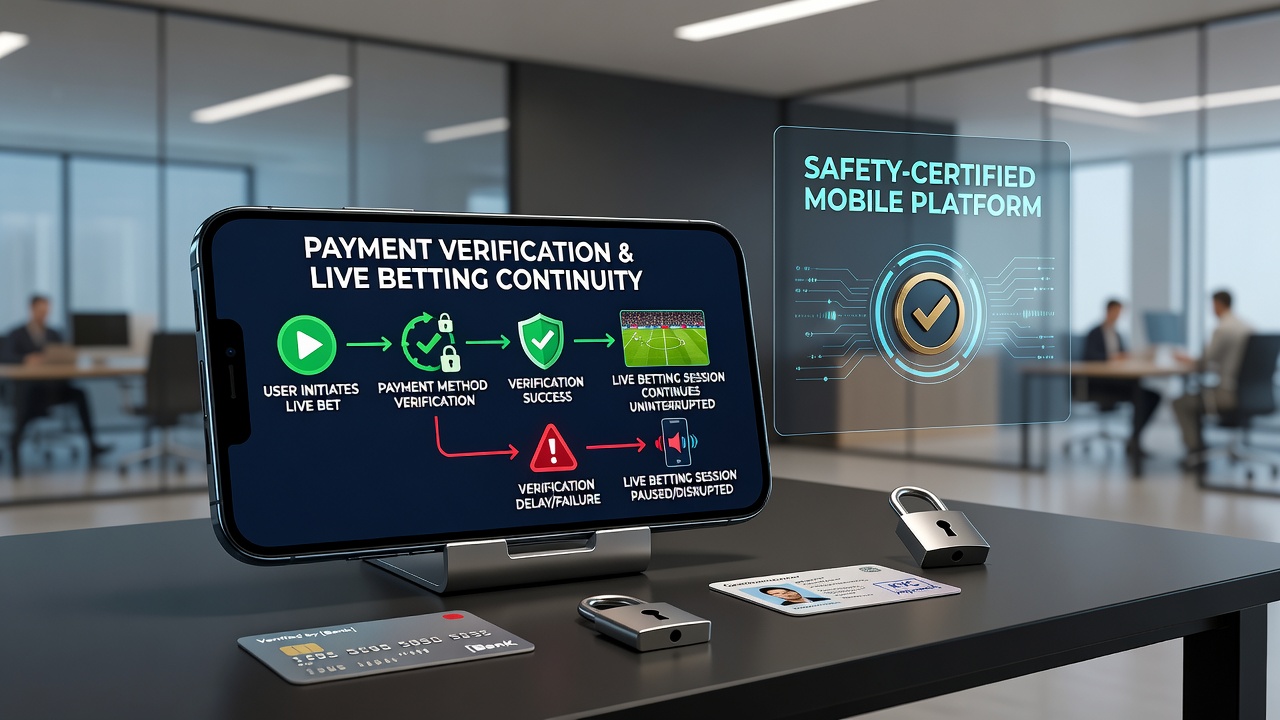
Live betting continuity depends on uninterrupted access to funds and account functions, so verification events can directly shape whether a user completes a wager during critical game moments. Data indicates that platforms certified under international safety standards have implemented background checks that run concurrently with betting interfaces, minimizing visible delays for most users. However, when additional verification triggers activate due to unusual patterns or regulatory thresholds, sessions may experience temporary holds that last from seconds to several minutes.
One documented case involved a certified application where a user attempting to increase stakes during a soccer match encountered a verification prompt after a rapid series of deposits, resulting in missed betting windows. Figures from industry analyses suggest these occurrences remain infrequent in optimized systems, but they underscore the trade-off between security protocols and real-time functionality. What's interesting is how developers have responded by streamlining verification through predictive algorithms that anticipate needs based on user history, thereby preserving session momentum in most scenarios.
Regulatory Frameworks and Certification Standards
Certification bodies enforce verification requirements that vary by jurisdiction, with standards from the Malta Gaming Authority and the New Jersey Division of Gaming Enforcement serving as benchmarks for mobile applications. These frameworks mandate periodic re-verification for certain payment methods, particularly those involving cross-border transfers or cryptocurrency integrations. According to reports issued in mid-2026, compliance audits showed that platforms adhering to these rules experienced fewer service disruptions during peak live betting periods because verification processes aligned more closely with transaction flows.
Experts tracking global wagering patterns have observed that regions with unified digital identity systems tend to achieve faster verification turnaround times, which supports continuous betting without extended interruptions. Yet platforms operating across multiple regulatory zones must navigate differing rules on data sharing and retention, leading to customized verification sequences that adapt to each user's location and payment type. This adaptability helps maintain continuity while meeting local oversight expectations, as detailed in collaborative studies from university research centers focused on digital commerce security.
Technological Adaptations in Certified Platforms
Mobile applications with safety certifications increasingly rely on API connections to payment processors that perform instant validations without requiring users to exit the betting environment. These integrations allow verification status to update dynamically, so live bettors encounter fewer forced pauses during high-stakes moments. Data collected through platform analytics indicates that such advancements correlate with higher session completion rates in live markets, where timing directly influences outcomes.
Organizations like the European Gaming and Betting Association have compiled evidence showing that certified apps deploying machine learning for anomaly detection reduce the frequency of manual verification flags. Users in these systems often proceed through deposits and wagers with background checks occurring invisibly, preserving the pace of live betting. The ball remains in developers' court to refine these tools further as transaction volumes grow and regulatory expectations evolve.
Conclusion
Payment method verifications continue to shape live betting continuity by establishing necessary security gates within safety-certified mobile applications, with outcomes depending on how efficiently platforms integrate these checks into active sessions. Evidence from regulatory reports and industry data demonstrates measurable effects on user flow, particularly when additional layers activate during time-critical wagering. As certification standards advance and technological tools mature, the interplay between verification requirements and real-time betting access remains a central focus for maintaining operational standards across global markets.