Regulatory Gateways Determining Live Option Accessibility Through Verified Funding Channels
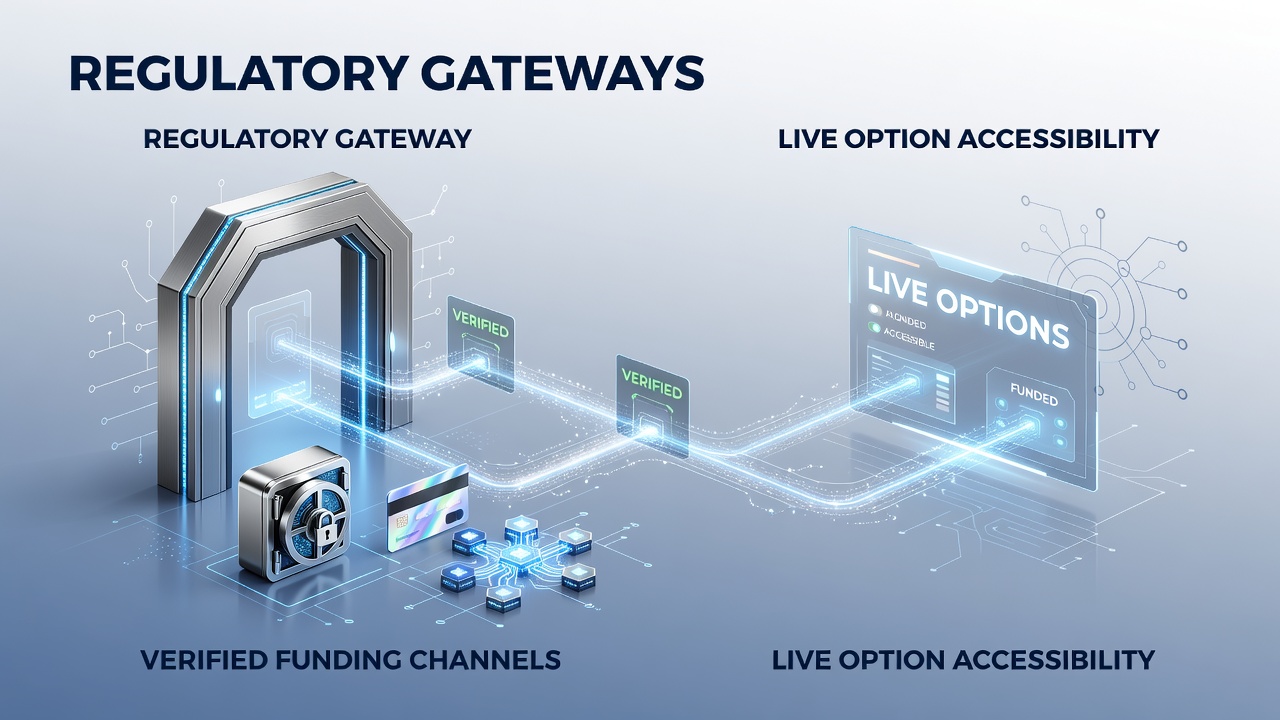
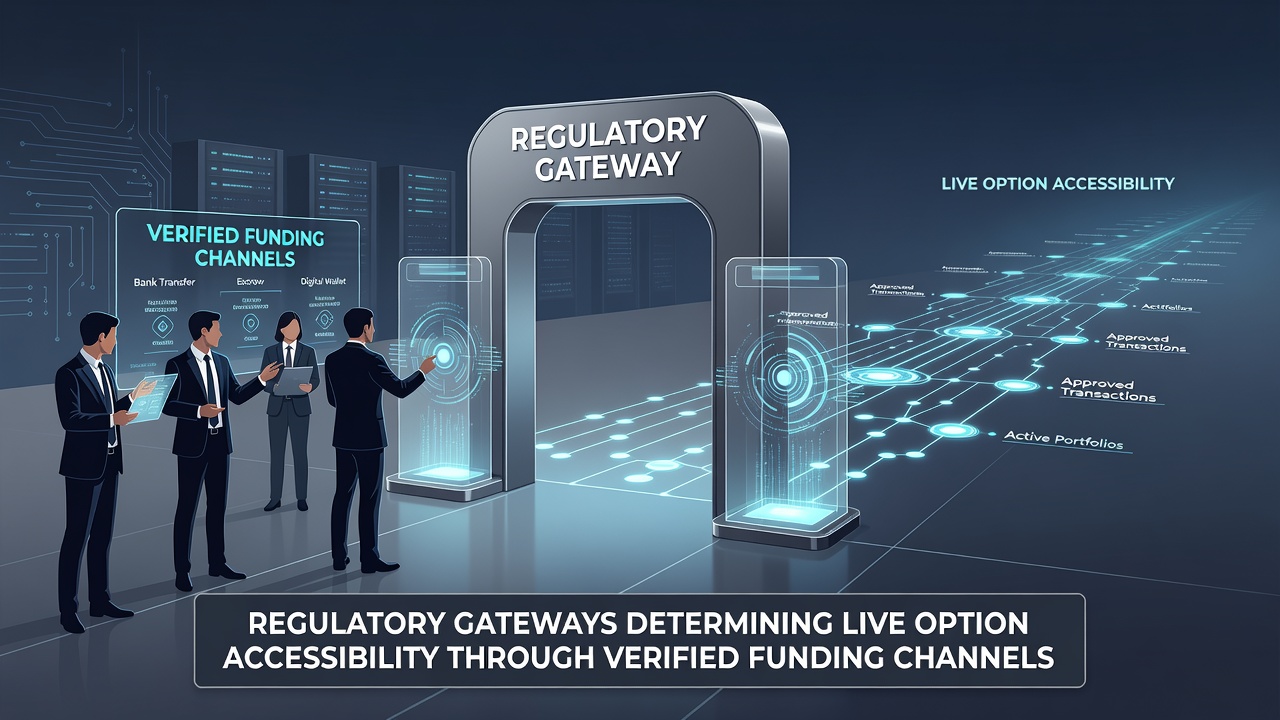
Regulatory gateways function as structured entry points that link licensing requirements directly to verified funding channels, and these mechanisms control which live betting options become available on mobile platforms in real time. Operators must satisfy specific compliance layers before users gain access to in-play features, while funding verification acts as the gatekeeper that confirms transaction legitimacy and jurisdictional approval. Data from industry reports indicate that these gateways have tightened considerably since early 2025, with platforms adjusting their systems to align payment rails with live session permissions.
How Licensing Structures Shape Funding Verification
Licensing authorities establish precise criteria that tie approved payment methods to operational permissions, and platforms integrate these rules through automated checks that validate deposits before live options activate. In regions such as Nevada and parts of Australia, regulators require operators to route all funding through channels that undergo continuous monitoring, which means live betting interfaces only unlock once verification confirms the transaction originates from an authorized source. This process creates a direct connection between the funding method and the availability of in-play markets, so users on non-compliant channels encounter restricted access even if their account remains active.
Those who study these systems note that verification protocols often incorporate multi-factor authentication tied to banking records, and this layer prevents unauthorized funding from triggering live session continuity. Research conducted by the American Gaming Association shows that platforms operating under strict licensing see faster regulatory approval for new live features when their funding channels already meet verification standards, whereas operators using newer or less established rails face extended review periods before live options expand.
Verified Funding Channels and Live Option Availability
Verified funding channels determine live option accessibility because regulators classify payment types according to risk profiles, and higher-risk methods trigger additional compliance steps that delay or limit in-play betting. Digital wallets and bank transfers that carry pre-approved status allow immediate access to live markets, while cryptocurrency pathways require separate licensing endorsements that many jurisdictions still evaluate on a case-by-case basis as of July 2026. Platforms must demonstrate that every funding route maintains an unbroken audit trail, which regulators review during periodic assessments to confirm ongoing eligibility for live features.
Observers tracking mobile wagering ecosystems report that operators frequently adjust their gateway configurations after regulatory updates, and these changes directly affect which live betting markets appear for users in different regions. For instance, when a funding channel receives new verification clearance, live soccer and basketball options often expand within the same operational cycle, whereas delays in verification keep those markets locked behind compliance barriers.
Regional Variations in Gateway Implementation
European regulators outside the United Kingdom, including those in Malta and Sweden, apply distinct gateway models that connect verified funding to live accessibility through centralized reporting systems, and these frameworks require platforms to submit transaction data in real time. Canadian provincial authorities follow a similar pattern where funding verification must precede any expansion of live options, creating staggered rollouts that depend on each province's licensing timeline. In contrast, certain Australian states have introduced tiered verification that grants partial live access once initial funding checks clear, then expands permissions after additional compliance milestones.
Figures released by the European Gaming and Betting Association in mid-2026 reveal that platforms aligning their funding channels with regulatory gateways experience fewer service interruptions during live events, because pre-verified payment routes reduce the need for manual interventions. This alignment also supports faster market additions when new live betting categories receive approval, since the funding infrastructure already satisfies gateway requirements.
Technical Integration of Gateways and Funding Systems
Operators build technical bridges between regulatory gateways and funding verification modules so that live option controls activate automatically upon successful transaction confirmation, and these integrations rely on APIs that communicate compliance status across systems. When a user initiates a deposit through an approved channel, the gateway checks licensing status and verification records before releasing live betting interfaces, which prevents non-compliant sessions from proceeding. Developers working on these platforms often embed conditional logic that references regulatory databases in real time, ensuring that funding source changes trigger immediate updates to available live markets.
Those examining implementation patterns find that seamless integrations reduce latency between deposit approval and live access, while fragmented systems create noticeable delays that affect user experience during high-volume events. As of July 2026, several major platforms have completed gateway upgrades that synchronize funding verification with live option databases, resulting in more consistent availability across certified networks.
Conclusion
Regulatory gateways continue to link verified funding channels directly to live option accessibility, and this relationship shapes how platforms deliver in-play betting across jurisdictions. Licensing requirements, payment verification standards, and technical integrations work together to determine which live markets users can access at any moment. Data from multiple regulatory bodies and industry groups confirm that these mechanisms remain central to compliant operations, with ongoing refinements expected as funding technologies and licensing frameworks evolve.