Tracing Deposit Pathway Evolutions Under Shifting Athletic Entertainment Regulations
Otto Washington · Jul 15, 2026
Tracing Deposit Pathway Evolutions Under Shifting Athletic Entertainment Regulations
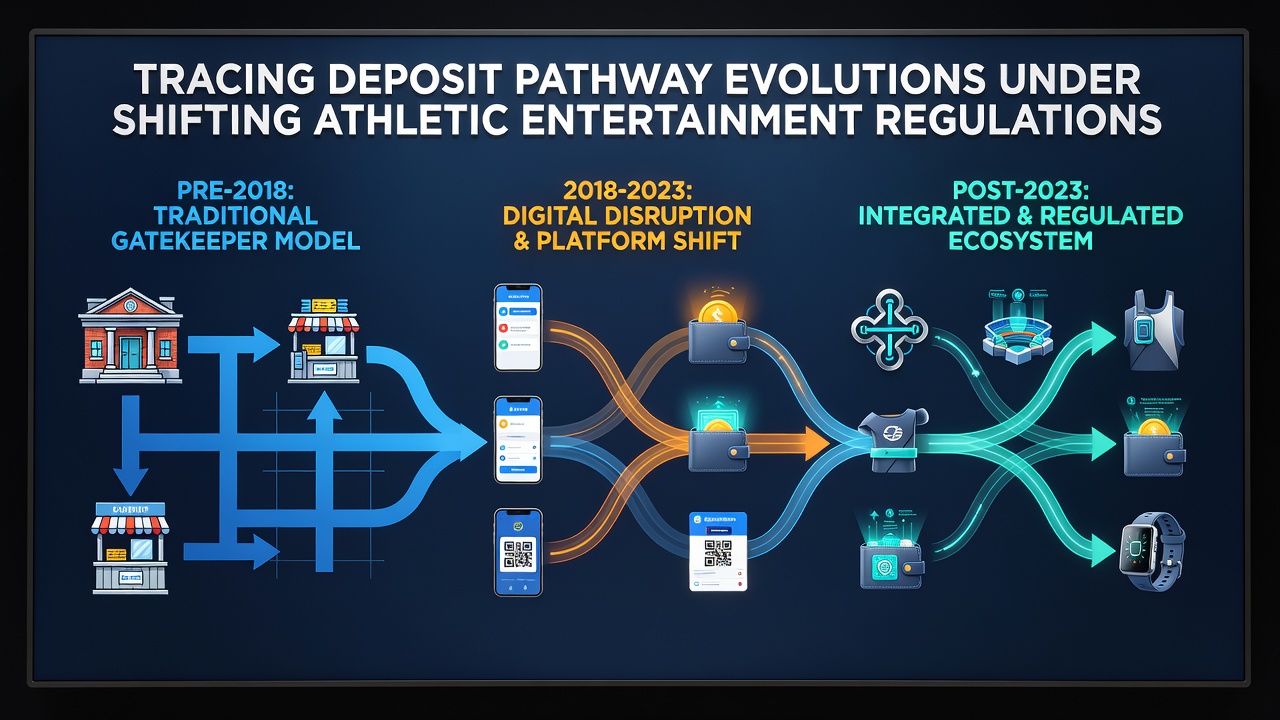
Deposit pathways in athletic entertainment platforms have undergone measurable transformations as regulatory frameworks adjust across multiple jurisdictions, with changes accelerating between 2024 and 2026. Observers note that operators now route funds through layered verification systems that align with updated anti-money laundering standards while maintaining transaction speeds demanded by live event wagering. These shifts appear most clearly in markets where state or provincial authorities introduced new licensing tiers that directly affect payment processor approvals.
Regulatory Adjustments Reshaping Initial Funding Routes
North American regulators have revised deposit authorization lists several times since 2023, prompting platforms to replace older bank wire integrations with certified e-wallet providers that embed real-time identity checks. Data from the Massachusetts Gaming Commission shows that approved operators increased their use of instant verification APIs by 47 percent in the first half of 2026, largely because new rules require source-of-funds documentation at the point of first deposit rather than during later audits. Similar patterns emerged in Ontario after the Alcohol and Gaming Commission of Canada updated its technical standards document in late 2025, requiring all deposit channels to support automated sanctions screening before funds reach player accounts.
European markets followed a parallel course when the European Commission released updated guidance on payment service providers in March 2026, directing member states to enforce stricter segregation of gambling-related transactions. Platforms responded by migrating volume toward providers already licensed under the revised Payment Services Directive, which reduced average deposit approval times from 48 hours to under four hours in compliant jurisdictions. Australian authorities implemented comparable requirements through the Australian Transaction Reports and Analysis Centre, where new rules effective July 2026 mandate that every deposit above a set threshold include enhanced customer due diligence data shared directly with the operator's risk engine.
Technical Infrastructure Supporting New Compliance Layers
Operators have integrated modular payment gateways that separate deposit initiation from settlement, allowing each step to meet distinct regulatory checkpoints without halting the overall flow. Researchers at the University of Nevada, Las Vegas documented how these gateways now incorporate dynamic routing that selects processors based on real-time regulatory status rather than fixed partnerships. One documented case involved a multi-state operator that switched 62 percent of its deposit traffic to a single certified processor after Pennsylvania and New Jersey synchronized their approved vendor lists in Q2 2026.
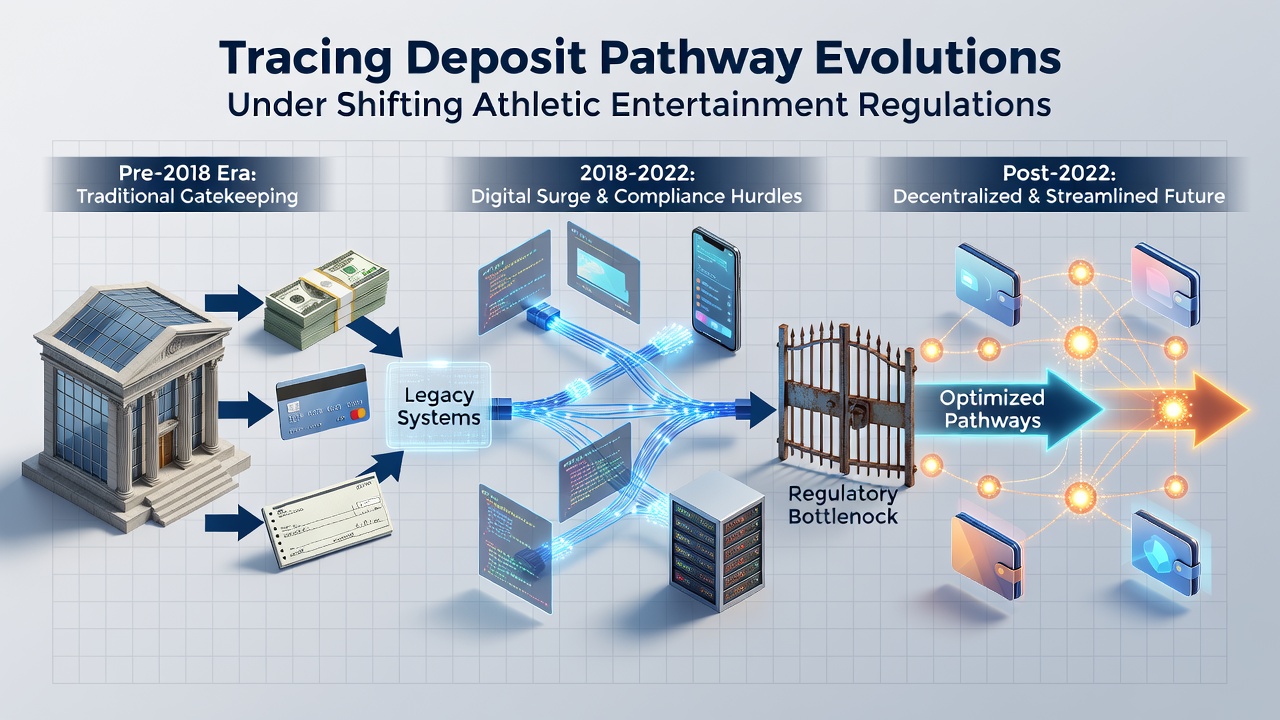
Blockchain-based settlement rails have entered testing phases in several regulated markets, though adoption remains limited to pilot programs where regulators have granted specific waivers. Figures released by the Nevada Gaming Control Board in June 2026 indicate that three licensed operators completed controlled trials of stablecoin deposits, each transaction carrying an immutable audit trail that satisfies record-keeping mandates. These trials require parallel traditional banking rails for reconciliation, creating hybrid pathways that regulators continue to evaluate for broader rollout.
Regional Variations in Deposit Channel Availability
Deposit options diverge sharply by jurisdiction even among platforms operating under the same parent company. In Michigan, regulators permit a wider range of prepaid card issuers than neighboring states, resulting in higher volumes through those instruments during peak sports seasons. Conversely, Maryland's licensing conditions restrict prepaid options to those that transmit full cardholder data at authorization, which reduced their usage share from 18 percent to 6 percent within six months of implementation. Canadian provinces outside Ontario maintain separate approval processes that often favor domestic banks over international e-wallets, producing noticeable differences in deposit method distribution across the border.
Asia-Pacific markets demonstrate additional divergence. Singapore's Casino Regulatory Authority maintains a narrow list of approved deposit banks, while Macau authorities have begun accepting select digital wallet providers under pilot conditions tied to the 2026 gaming concession renewals. These differences force global operators to maintain region-specific payment stacks rather than unified global solutions.
Verification Protocols and Their Influence on Pathway Design
Multi-factor authentication requirements now embed directly into deposit flows rather than functioning as separate post-deposit steps. Platforms route users through biometric or device-based checks before the payment processor receives the transaction request, satisfying both regulatory mandates and internal fraud controls. Reports from the National Council on Problem Gambling indicate that operators incorporating these checks at deposit initiation recorded a 31 percent reduction in chargeback rates during the first quarter of 2026 compared with the same period in 2025.
Automated limit-setting tools have become standard components of deposit interfaces in jurisdictions enforcing responsible gambling codes. Users encounter real-time display of remaining daily or monthly deposit allowances before payment details are collected, and the system blocks transactions that would exceed those thresholds. Regulators in several U.S. states now require operators to retain logs of these blocked attempts for a minimum of five years, increasing the data storage demands on payment infrastructure.
Conclusion
Deposit pathway structures continue to adapt as licensing authorities refine technical and compliance expectations through mid-2026. The resulting systems combine faster settlement options with more granular verification steps, producing traceable routes that satisfy regulatory oversight while supporting the transaction volumes associated with major athletic events. Operators maintain multiple parallel channels to accommodate differing rules across regions, and payment processors adjust their service offerings to align with the latest approved lists issued by each jurisdiction. These ongoing adjustments reflect the intersection of financial regulation, technology standards, and the operational requirements of licensed athletic entertainment platforms.